Physalia (Portuguese man o' war)
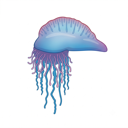 Physalia (Portuguese man o' war)
Physalia physalis, the “Portuguese man o' war”, is a marine organism whose long tentacles cause very painful stings. Driven by the wind, it sometimes washes up on Basque coast beaches.
Map of Physalia reports
13 beach(es) affected
Latest approved report for each beach. Click a marker, or a row in the list, to zoom in on the beach.
What is it?
It is not a jellyfish but a floating colony, recognisable by its translucent blue-purple float. Its tentacles, which can be several metres long, remain stinging even when detached or stranded on the sand.
What is the danger?
Contact causes an immediate, intense sting. Reactions can be serious in children, vulnerable people, or in the case of multiple stings.
- Sharp, immediate pain and a burning sensation
- Red welts in stripes on the skin
- Swelling, itching
- Rarely: faintness, breathing difficulty (seek emergency care)
The right reflexes if stung
Do not rub
Do not rub or rinse with fresh water: it releases more venom.
Rinse with sea water
Rinse thoroughly with sea water and get the person out of the water.
Remove the tentacles
Remove visible tentacles with tweezers or an object (never bare-handed).
Seek help if needed
For intense pain, a widespread reaction or breathing difficulty, see a lifeguard or call emergency services.
Learn more
General prevention information. If in doubt or for a serious sting, follow the instructions of emergency services and beach first-aid posts.